

Tokyo Analyst: 2003 Wireless Outlook
 “Camera phone penetration is increasing. With the newest handsets – particularly in DoCoMo’s case – the packet downloads have just surged. So you’ve got much higher packet usage – two to three times higher now on the camera phones,” says CSFB sr. telecoms analyst Mark Berman. Watch our 2003 kick-off program as we pick the brain of one of Tokyo’s most respected industry watchers on what to expect in ’03. DoCoMo, KDDI, J-Phone, ARPU, data trends, and multimedia: these are a few of our favorite things!
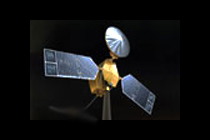 “They have high-speed network links back to planet Earth. The architecture diagram of Mars Rover looks just like the architecture diagram of any ol’ Earth-based, end-to-end enterprise app. And they’ve got this problem that the network link is very slow… it has high latency.” Well of course. It covers a hundred million kilometers. In today’s program, we bring you a special year-end wrap-up including a couple of clips that didn’t make it into our regular programming. Join us for WWJ’s special year-end web video! Thanks to all for your comments and support, we look forward to another super year in 2003.
 NTT Communications doesn’t expect to generate large revenue from WLAN itself, says senior executive vice president Shuji Tomita. Instead, the company will bundle hotspot access via high-speed WLAN base stations with landline connectivity and value-added services including roaming, security, and IPv6. The company’s software will also offer secure communications into the Internet itself and into corporate intranets using IP-based VPN (virtual private network) technologies via a security server that is co-located with the corporate client’s network. They’re also busy boosting their 250-base-station network to 1,000. Phew!