

Vodafone K.K. Feb Subs Good & Bad
Vodafone Japan have released their February subscriber numbers to the media and there is good news and bad. The loss of 2G subscribers continued unabated from January, but 3G users still grew nicely (although not as much as in the previous month). The company reports 2G users shrank by 201,200 from 14,625,000 in January to 14,423,800 as of 28 February; 3G users grew by 148,000 from 527,300 in January to 675,300. Optimists will conclude that 3G grew by 28.1 percent month-on-month far outpacing 2G’s losses (which only shrank by 1.4 percent). Pessimists will conclude that Big V is still in a whole lot of trouble.
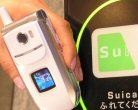 Mass transit meets mobile technology for Tokyo commuters in a new service enabling NTT DoCoMo FeliCa-equipped i-mode cell phones to function as Suica JR train commuter cards. The new service will combine DoCoMo’s FeliCa smart card e-money platform with the Suica IC train commuter card (both using technology developed by Sony) into one mobile handset that can simultaneously pay for train tickets, commuter passes, airline and movie tickets and purchases at any of 14,000 — and counting — retailers.
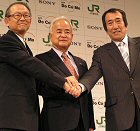 East Japan Railway Company (JR East), NTT DoCoMo and Sony today announced they will offer a new service combining DoCoMo’s Mobile FeliCa smart-card handset with JR East’s Suica card starting in January 2006. The “Mobile Suica” service will enable FeliCa-enabled i-mode handsets to be used as Suica cards to board JR trains and make purchases in station shops and kiosks. With the news, two services that started as competitors for ecash settlement-on-the-go appear to have buried the yamakatana. Train-riding, phone-using consumers will have little excuse not to use FeliCa now. The companies said a test of the service will begin March 2005 using pilot i-mode FeliCa handsets.