

DoCoMo, J-Phone, KDDI: Keitai Catalogs Tell All
I picked up the November cell phone catalogs from several carriers the other day, including DoCoMo (for 3G FOMA), KDDI, and Tu-ka, as well as the J-Sky service catalog from J-Phone. You really needn’t look much further than these monthly catalogs if you want a concise, full-color, and neatly packaged window into the marketing plans and keitai sales hopes of the major Japanese carriers. Depending on which handset you have, you can now access data networks at 9.6, 28.8, 64, or 384 Kbps – and many devices can access two networks. Note that 64 Kbps data is available via FOMA (the 3G network) and via PHS (not formally called “2G” but certainly not 3G). Finally, there’s the Mzone WLAN service that operates at hotspots inside the Yamanote line and at a few other locations.
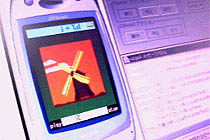 If you’re going to build one of those tiny i-mode websites or create a downloadable Java application (Games, anyone?), then you’re going to have to test your software before going live – and that means using emulator tools. If you don’t, you have to use actual handsets for testing and the packet fees would wipe out even the fattest bank account. We visit leading provider Zentek, and then speak with Tokyo University expert Dr. Sam Joseph – who has a lot of experience in making emulators actually emulate. Want to know what portion of a mobile project’s costs are consumed by testing prior to launch? Watch this one.
 Our final program from Sun’s JavaOne conference sees Rich Green, VP and General Manager for Java software, fielding questions on the content provider ecosystem, the transfer of made-in-Japan mobile programming expertise to overseas markets, and how terminals are becoming ever more complicated – due at least in part to Java. One of the most interesting questions that Rich addresses is whether carriers outside Japan will be able to create and foster a “content ecosystem” similar to that established domestically by NTT DoCoMo (and, to a similar degree if not extent, competitors J-Phone and KDDI) — which many have pointed to as a major reason behind the success of mobile computing (and Java) on Japan’s wireless webs.