
3G Mobile Solar Power Solution
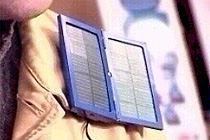 The 3G Mobile Forum 2004 was held at the Hilton Tokyo Bay, January 13-16, and attracted over 70 top-class speakers in what we construed was an attempt to hammer out where they think 3G is going. With such a treasure trove sitting on our doorsteps across Tokyo Bay, we couldn’t resist bearing our cameras down on some of the leading lights of the show. The following preview will give you a taste of the upcoming programs we’ll running over the next few weeks. Also included in this clip is a demo of a mobile solar power source that was on display from Korean startup Soleitec, they have this sleek and working re-charger ready to keep your mobile device running when the batteries are dying, all for $30. The device should be ready to ship in 8 weeks and they are looking for partners to sell this product. Our only advice: Don’t save this one for a rainy day! Full Program Run-time 6:13
 Tune in for a WWJ exclusive year-end interview with IDC Japan Communication Research Division’s Senior Analyst Michito (Mitch) Kimura. In this video program, Kimura, a veteran IDC analyst, casts his eyes on the ups and downs over the last year in the world of wireless and takes a look at prospects for 2004. He details the strategy at Japan’s three carriers, NTT DoCoMo, KDDI, and Vodafone, and offers his view on the prospects for Japan’s ever-surging content business. Kimura-san also gave us his perspective on the continued evolution of 3G, handset replacement cycles, and – a favorite topic of ours – Japan’s first packet pricing war.